Kyrgyzstan is one of the most spectacular travel destinations in Central Asia, yet it remains relatively undiscovered compared with many of the world’s better-known mountain destinations.
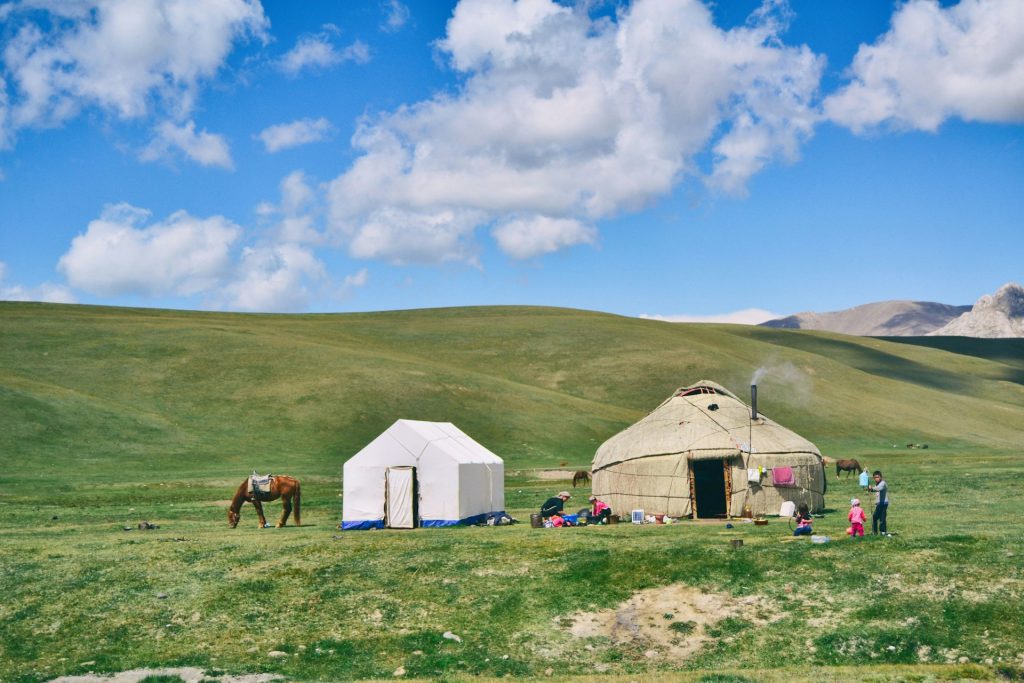
Here, snow-capped mountains rise above enormous alpine lakes, horses roam across high-altitude pastures, and traditional yurts appear in remote valleys far from the country’s cities. You can spend one day exploring the streets of Bishkek, the next riding a horse across a mountain plateau, and the following night sleeping in a yurt beside a lake at more than 3,000 metres above sea level.
For travellers who enjoy mountains, nature, adventure, road trips and experiencing cultures that feel genuinely different from home, Kyrgyzstan offers an unusual combination: dramatic landscapes, a strong nomadic heritage, relatively affordable travel and enormous opportunities for independent exploration.
Kyrgyzstan Explorer is dedicated to helping you make the most of a trip to Kyrgyzstan. On this website, you will find practical travel information, destination guides, trekking guides, itinerary ideas, transportation advice, accommodation information, cultural guides and inspiration for exploring the country.
This guide is the best place to start.
Why travel to Kyrgyzstan?
Kyrgyzstan is a destination where the journey itself is often one of the highlights.
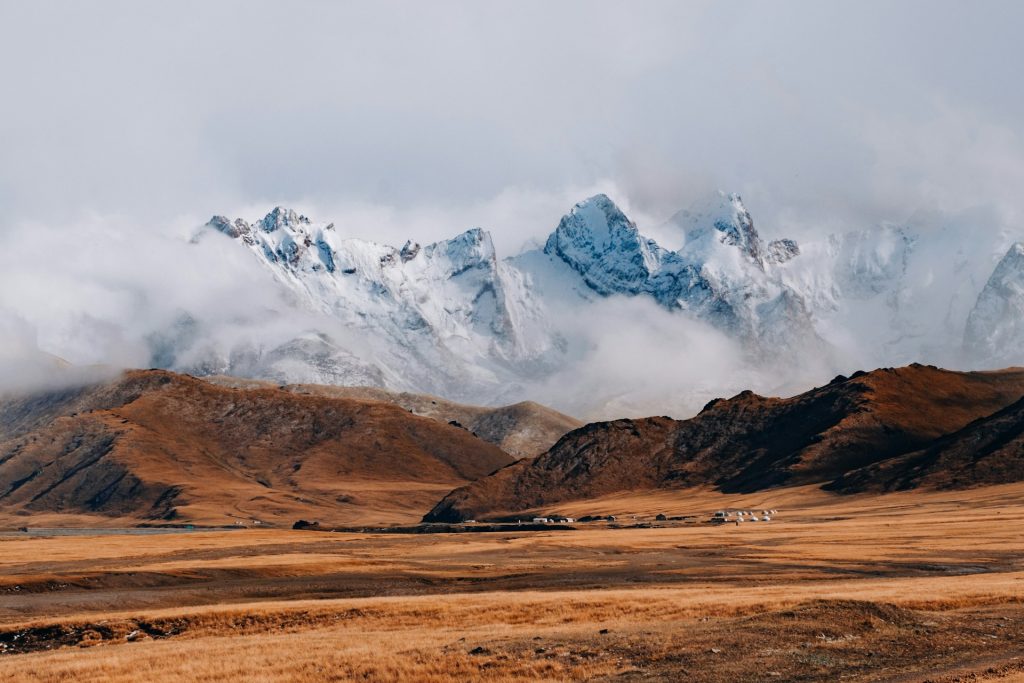
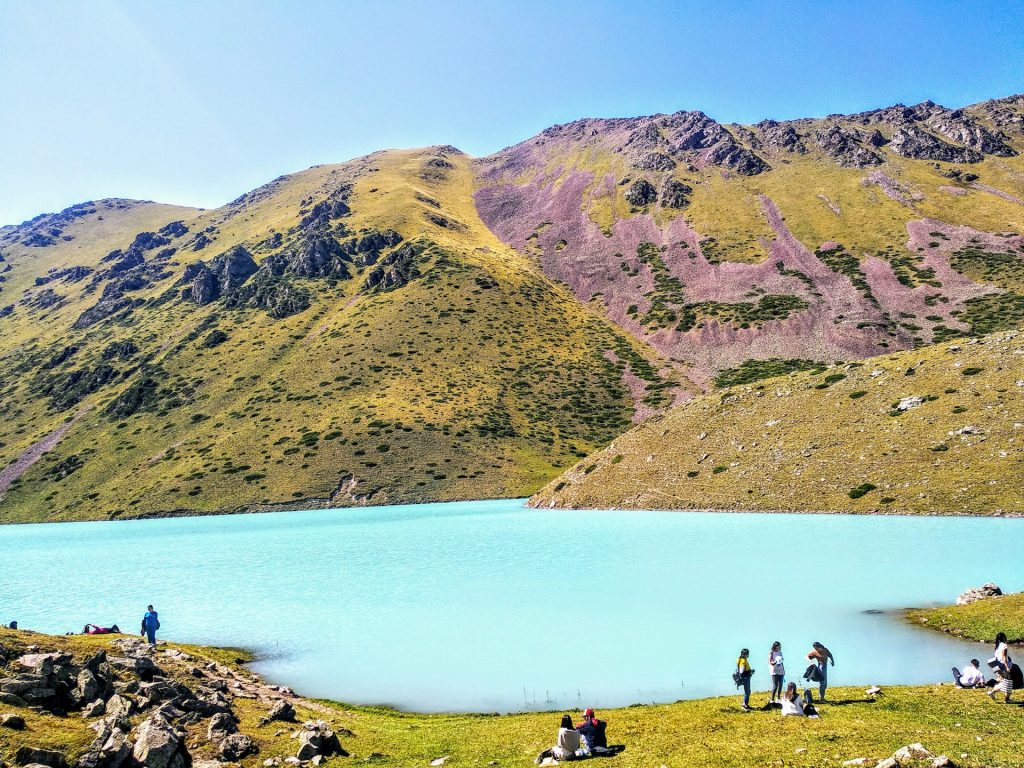
The country is dominated by the Tian Shan mountain system, and much of its most spectacular scenery lies outside the major cities. Valleys open into vast grasslands, mountain roads climb towards high passes, and turquoise lakes are surrounded by peaks that remain snow-covered for much of the year.
But Kyrgyzstan is not simply a destination for mountain hikers.
A trip can combine:
- Trekking through the Tian Shan
- Horse riding across high mountain pastures
- Staying in traditional yurts
- Swimming in Lake Issyk-Kul
- Exploring Bishkek
- Visiting ancient caravan routes and Silk Road sites
- Experiencing Kyrgyz food and hospitality
- Skiing and snowboarding in winter
- Photographing dramatic mountain landscapes
- Visiting remote villages and valleys
- Learning about Kyrgyz nomadic traditions
- Taking long road trips through the countryside
One of the country’s greatest strengths is that these experiences can be combined relatively easily.
You could spend several days hiking around Karakol, relax beside Issyk-Kul, travel to a remote yurt camp, and finish your journey in Bishkek without needing to cross enormous distances.
Where is Kyrgyzstan?
Kyrgyzstan is a landlocked country in Central Asia.
It borders:
- Kazakhstan to the north
- China to the east and southeast
- Tajikistan to the south
- Uzbekistan to the west
The capital and largest city is Bishkek, located in the north of the country near the border with Kazakhstan.
Kyrgyzstan is relatively small compared with some of its neighbours, but its mountainous geography makes it feel much larger when travelling around the country.
The mountains are the defining feature of Kyrgyzstan. Around 90% of the country is mountainous, and elevations vary enormously from lowland valleys to peaks exceeding 7,000 metres.
This geography is one of the main reasons Kyrgyzstan has become increasingly attractive to hikers, mountaineers, photographers and adventure travellers.
The best places to visit in Kyrgyzstan
Although Kyrgyzstan is compact compared with some other Central Asian countries, its regions have very different characters.
For a first trip, these are some of the destinations worth considering.
Bishkek
Bishkek is the natural starting point for many trips to Kyrgyzstan.
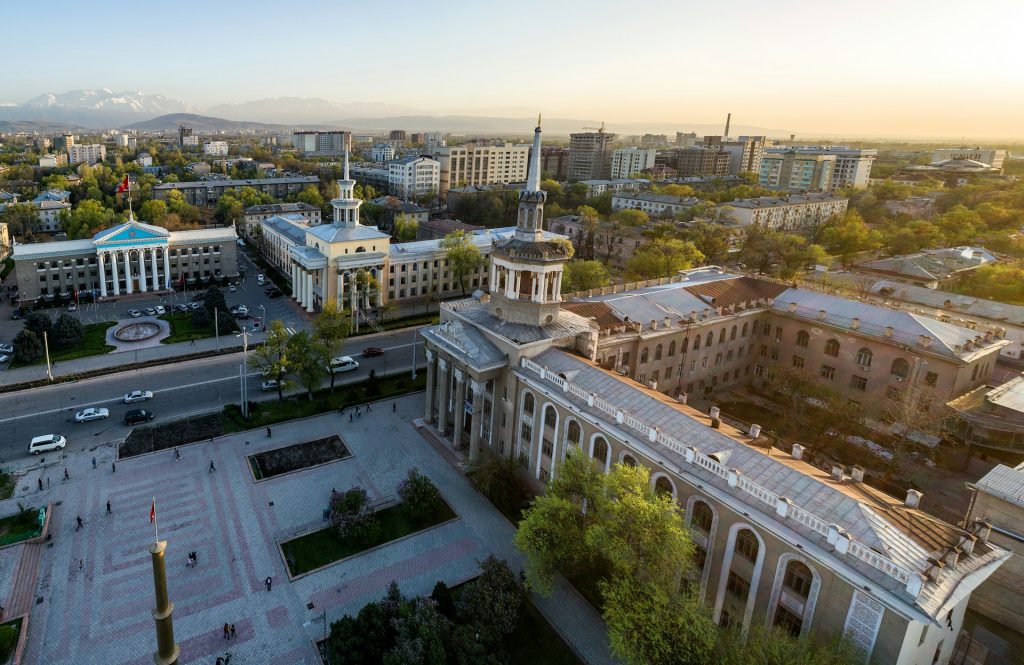
The capital is considerably more urban than the rest of the country, with Soviet-era architecture, broad streets, parks, restaurants, cafés, markets and museums.
Bishkek is not necessarily the reason most people travel to Kyrgyzstan, but it makes an excellent introduction to the country.
It is also a useful base for exploring nearby attractions, including Ala-Archa National Park, which lies within easy reach of the capital.
Explore more: Bishkek travel guide.
Lake Issyk-Kul
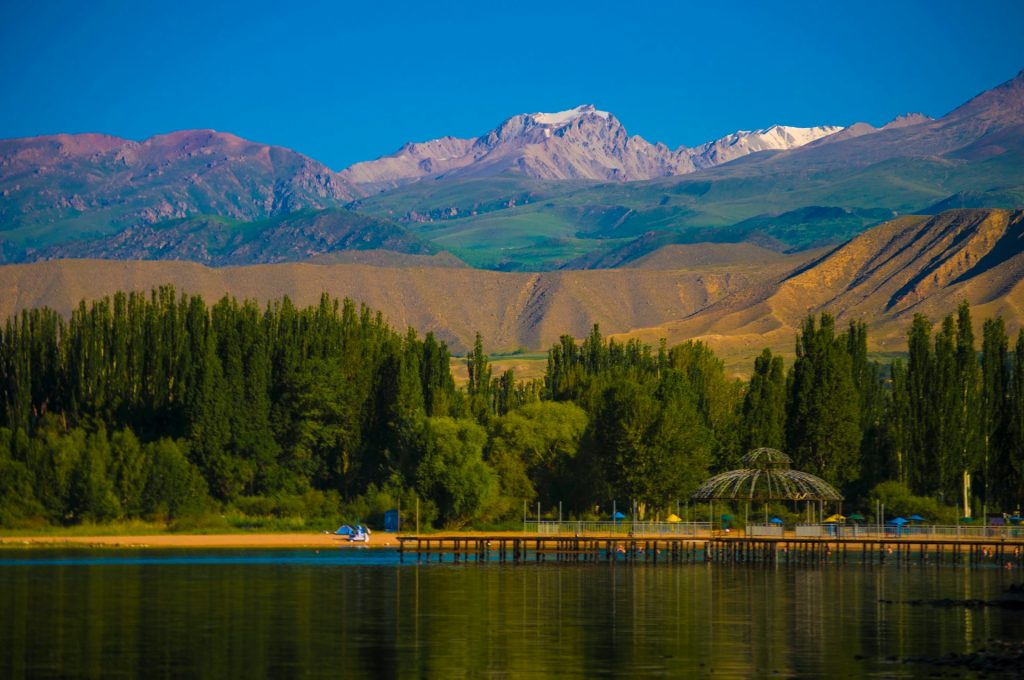
Issyk-Kul is one of Kyrgyzstan’s defining landmarks.
The enormous lake is surrounded by mountains and is one of the largest high-altitude lakes in the world. Its name is commonly translated as “hot lake”, referring to the fact that it does not normally freeze completely during winter.
The northern and southern shores offer quite different experiences.
The northern shore is generally more developed and has more accommodation, beaches, resorts and tourist infrastructure. The southern shore is quieter and offers a more rural experience.
Issyk-Kul can easily form the centrepiece of a Kyrgyzstan itinerary, particularly during summer.
Explore more: Issyk-Kul travel guide.
Explore more: Best things to do around Issyk-Kul.
Karakol
Karakol is one of the most important bases for outdoor travel in Kyrgyzstan.
The city lies close to the eastern end of Issyk-Kul and provides access to some of the country’s best-known trekking areas.
It is particularly popular with hikers heading into the surrounding Tian Shan mountains.
Karakol also has a distinctive cultural character, with Russian, Kyrgyz, Dungan and other influences visible in its food, architecture and history.
The city is worth visiting even if you are not planning a multi-day trek.
Explore more: Karakol travel guide.
Explore more: Best things to do in Karakol.
Ala-Archa National Park
Located relatively close to Bishkek, Ala-Archa is one of the easiest places to experience Kyrgyzstan’s mountains without travelling deep into the country.
The national park contains dramatic valleys, glaciers, alpine scenery and hiking routes ranging from relatively accessible walks to demanding mountain objectives.
Its proximity to Bishkek makes it particularly useful for travellers with limited time.
Explore more: Ala-Archa National Park guide
Explore more: Best hikes in Ala-Archa.
Song-Kul
Song-Kul is one of the places that best captures the image many travellers have of Kyrgyzstan.
The lake sits at roughly 3,000 metres above sea level and is surrounded by enormous alpine pastures.
During the warmer months, nomadic herders bring livestock to these high pastures, and yurt camps operate around the lake.
A stay at Song-Kul is less about sightseeing in the conventional sense and more about experiencing the landscape and the rhythms of life in the high country.
Horse riding, hiking, sleeping in a yurt and watching the sunset over the mountains are among the classic experiences here.
Explore more: Song-Kul travel guide
Explore more: How to get to Song-Kul
Explore more: Horse Riding Song-Kul Lake.
Jyrgalan
Jyrgalan is a small mountain village near Karakol that has developed into an increasingly popular destination for trekking and outdoor adventures.
The surrounding mountains offer hiking routes through valleys, forests, alpine meadows and high passes.
It is particularly attractive to travellers looking for a quieter alternative to some of the better-known trekking routes around Karakol.
Explore more: Jyrgalan travel guide.
Explore more: Best hikes in Jyrgalan.
Naryn
Naryn lies in a long valley surrounded by mountains in central Kyrgyzstan.
The city itself is often used as a base for exploring some of the country’s more remote destinations.
The region is particularly interesting for travellers interested in road trips, mountain scenery and Silk Road history.
Naryn also provides access to destinations such as Tash Rabat and routes towards high mountain passes.
Explore more: Naryn travel guide.
Tash Rabat
Tash Rabat is an exceptionally atmospheric historical site in a remote mountain valley.
The stone caravanserai is associated with the Silk Road and sits at an altitude of more than 3,000 metres.
Its isolated location is part of the attraction. Getting there involves travelling through increasingly dramatic mountain landscapes, and the site can be combined with an overnight stay in a nearby yurt camp.
Explore more: Tash Rabat travel guide.
Osh
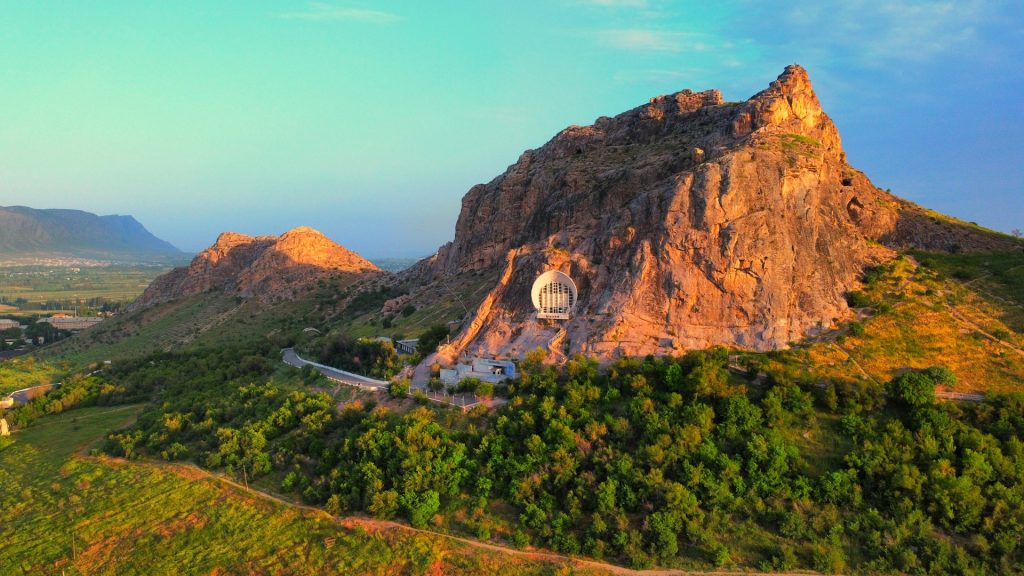
Osh is one of the oldest cities in Central Asia and has a very different character from Bishkek.
Located in the Fergana Valley, the city has long been an important centre of trade and culture.
The enormous Osh Bazaar is one of the city’s highlights, while Sulaiman-Too dominates the urban landscape.
Osh is particularly useful as a gateway to southern Kyrgyzstan and the regions around Batken.
Explore more: Osh travel guide.
Explore more: Things to do in Osh.
Things to do in Kyrgyzstan
The best experiences in Kyrgyzstan tend to revolve around nature, adventure and culture.
Go trekking
Trekking is one of the biggest reasons travellers visit Kyrgyzstan.
The country has routes ranging from relatively easy day hikes to demanding multi-day expeditions.
Some of the best-known trekking areas include:
- Ala-Archa
- Karakol
- Ala-Kul
- Jyrgalan
- Song-Kul
- Kel-Suu
- Arslanbob
- The Fergana and Alay regions
The main trekking season in the high mountains generally runs from June into September, although conditions vary substantially with altitude and location.
Popular routes can become busy during July and August, while June and September can provide a quieter experience.
Explore more: Complete Kyrgyzstan trekking guide.
Ride a horse through the mountains
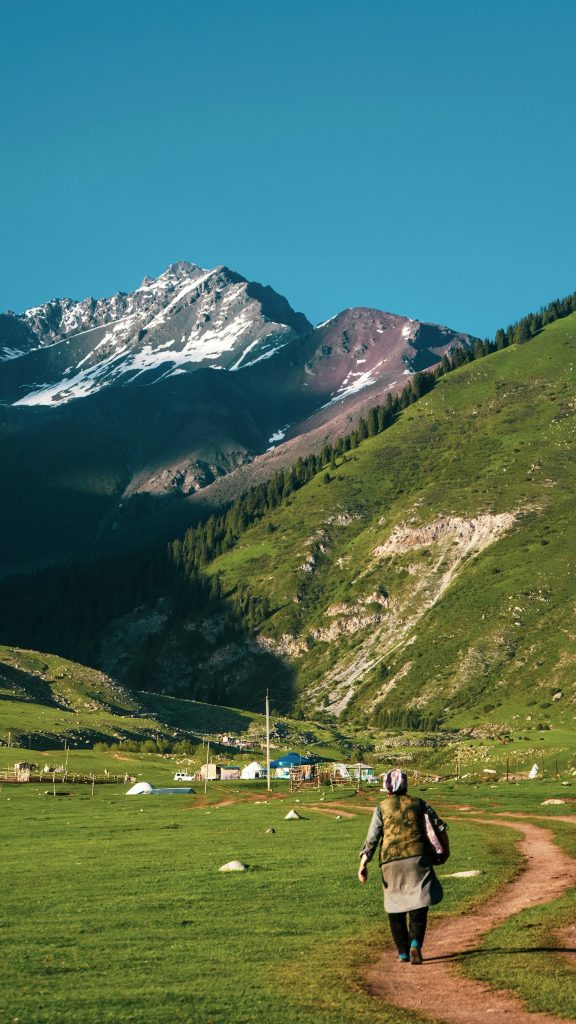
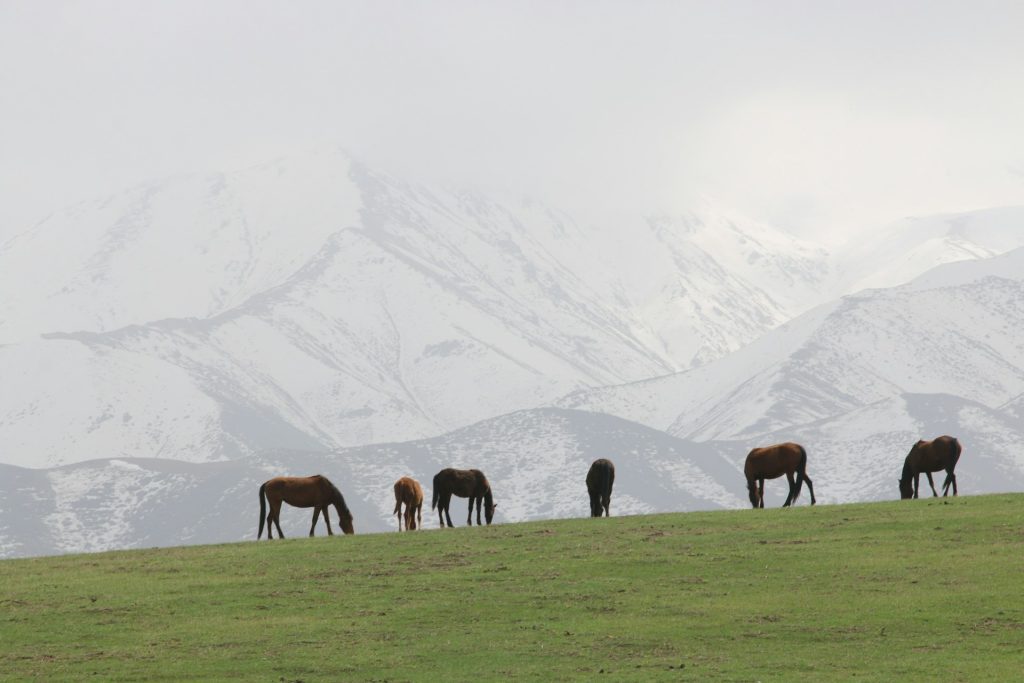
Horse riding is one of the most culturally significant ways to experience the Kyrgyz countryside.
Horses have played an important role in Kyrgyz nomadic culture for centuries, and they remain deeply connected with life in rural mountain regions.
Multi-day horse treks can take you through valleys, over mountain passes and across high pastures.
For travellers who are comfortable around horses, this can be one of the most memorable ways to explore the country.
Explore more: Horse riding in Kyrgyzstan.
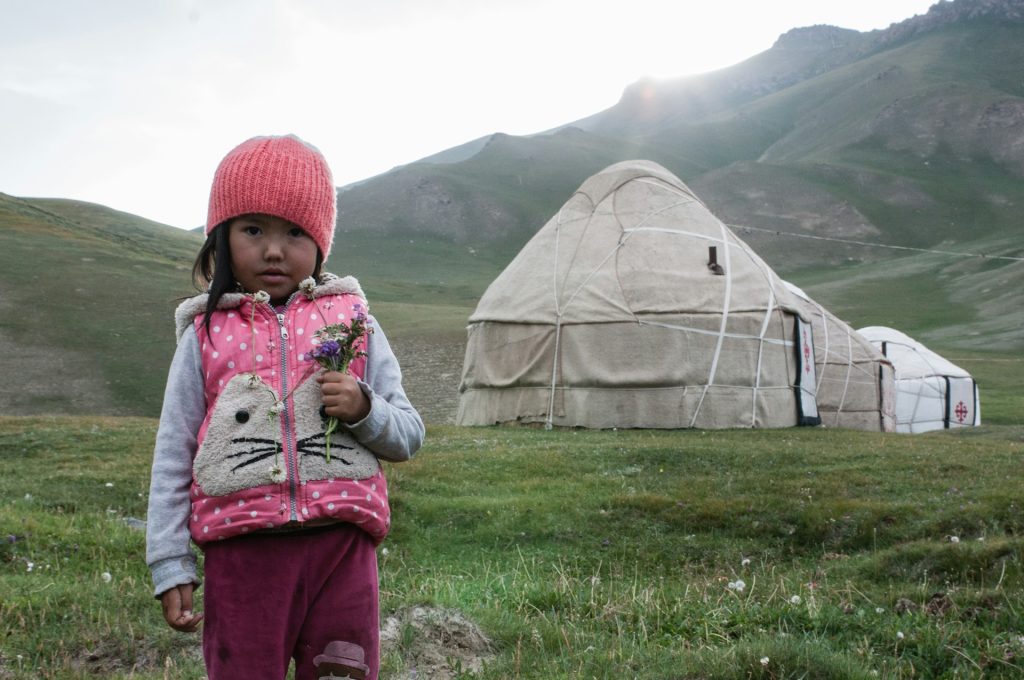
Sleep in a yurt
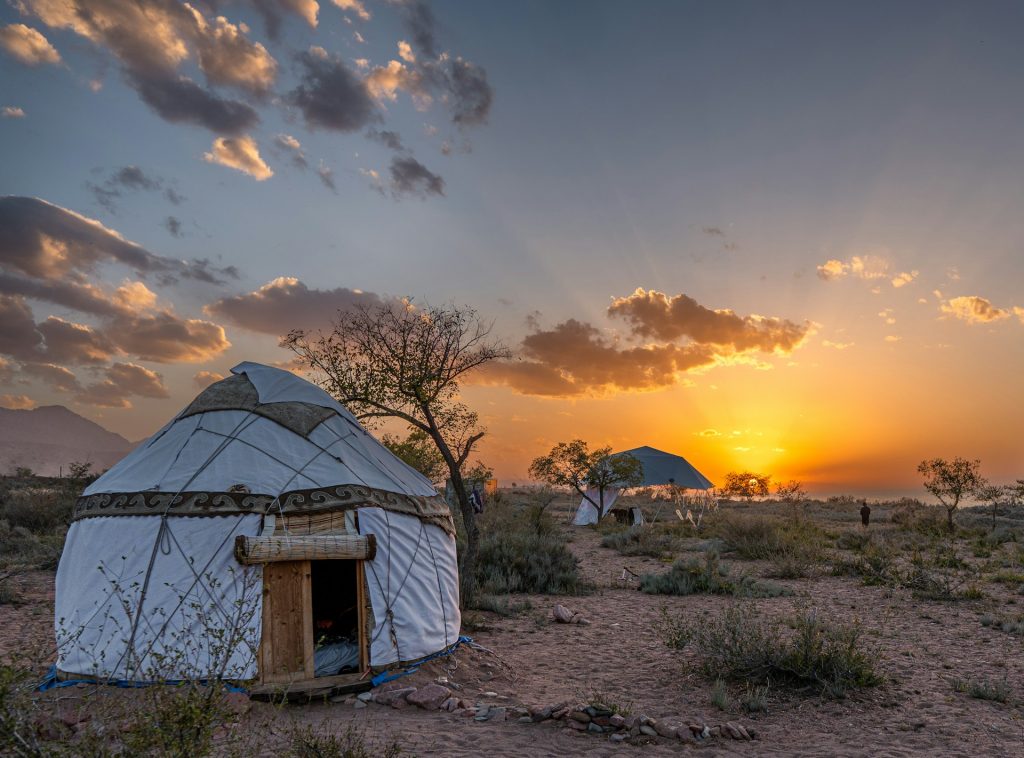
A yurt stay is almost obligatory for anyone wanting to experience Kyrgyzstan beyond its cities.
Yurts are traditional portable dwellings associated with the region’s nomadic heritage.
Today, many yurt camps accommodate travellers during the summer season.
Some are relatively simple, while others have surprisingly comfortable facilities.
Yurt stays can be found around destinations including Song-Kul, Issyk-Kul and various mountain valleys.
Explore more: Best yurt stays in Kyrgyzstan.
Explore the country’s lakes
Kyrgyzstan has far more than Issyk-Kul.
Among the country’s most spectacular lakes are:
- Issyk-Kul
- Song-Kul
- Kel-Suu
- Ala-Kul
- Sary-Chelek
- Chatyr-Kul
These lakes vary enormously in appearance and accessibility.
Some can be reached relatively easily by road, while others require long hikes or difficult mountain journeys.
Explore more: Most beautiful lakes in Kyrgyzstan.
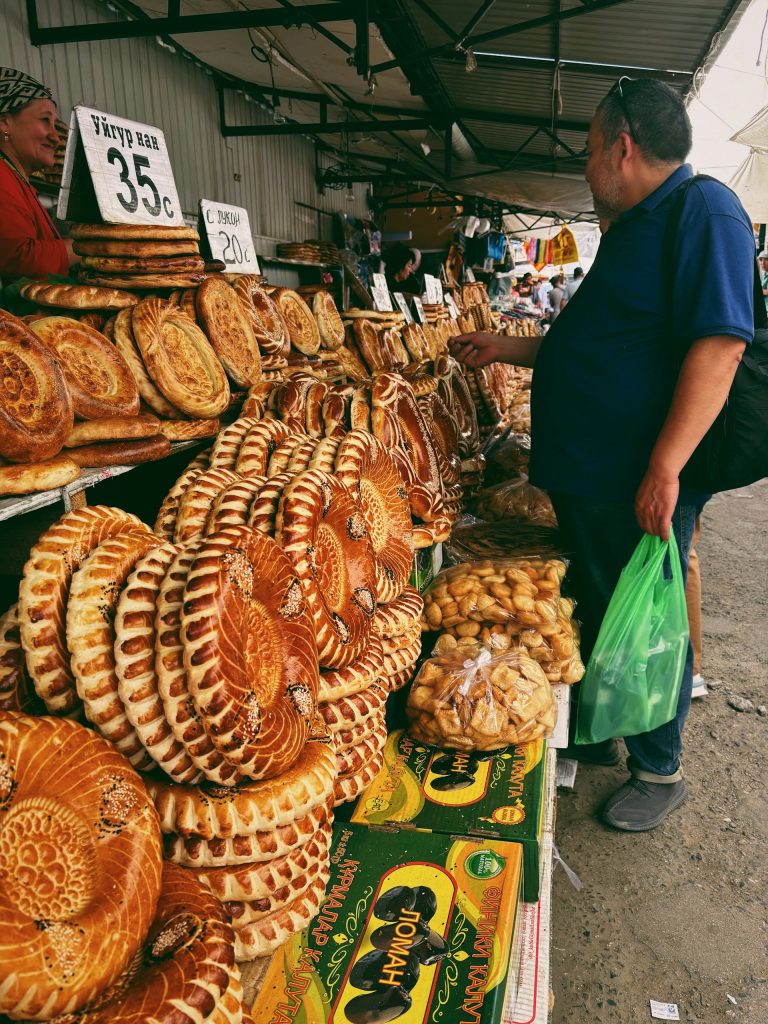
Experience Kyrgyz food
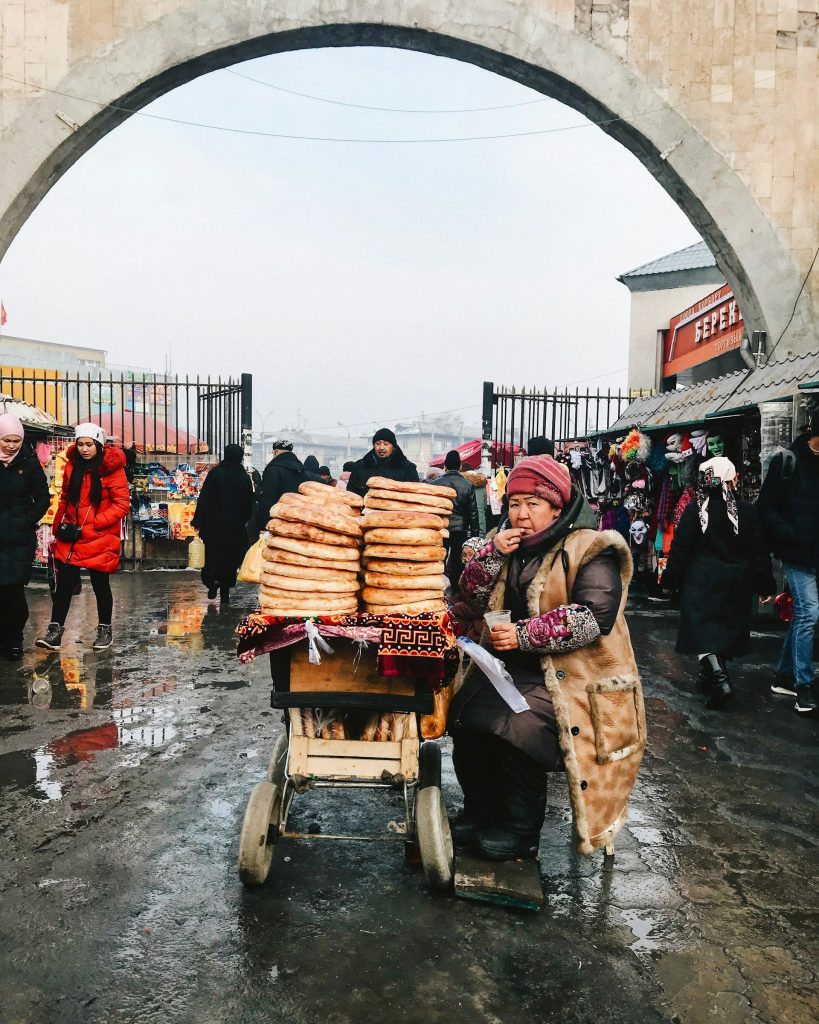
Food is an important part of travelling through Kyrgyzstan.
Traditional Kyrgyz cuisine reflects the country’s nomadic heritage, while the country’s position in Central Asia has resulted in influences from neighbouring cultures.
Popular dishes and foods to look for include:
- Beshbarmak
- Plov
- Lagman
- Manti
- Samsa
- Ashlan-fu
- Kuurdak
- Boorsok
- Kymyz
Food can vary considerably from one region to another, and cities such as Bishkek and Karakol offer particularly diverse restaurant scenes.
Explore more: Kyrgyzstan food guide.
Explore more: Traditional Kyrgyz dishes to try.
When is the best time to visit Kyrgyzstan?
There is no single best month for every type of trip.
Your ideal travel season depends heavily on what you want to do.
Summer: June to September
Summer is the main travel season for mountain tourism.
High mountain passes become accessible, trekking conditions improve and yurt camps open in many areas.
July and August are generally the busiest months.
June can be particularly attractive for green landscapes and wildflowers, while September can offer autumn colours and fewer visitors.
For a classic combination of trekking, horse riding, yurt stays and mountain road trips, summer is usually the easiest season.
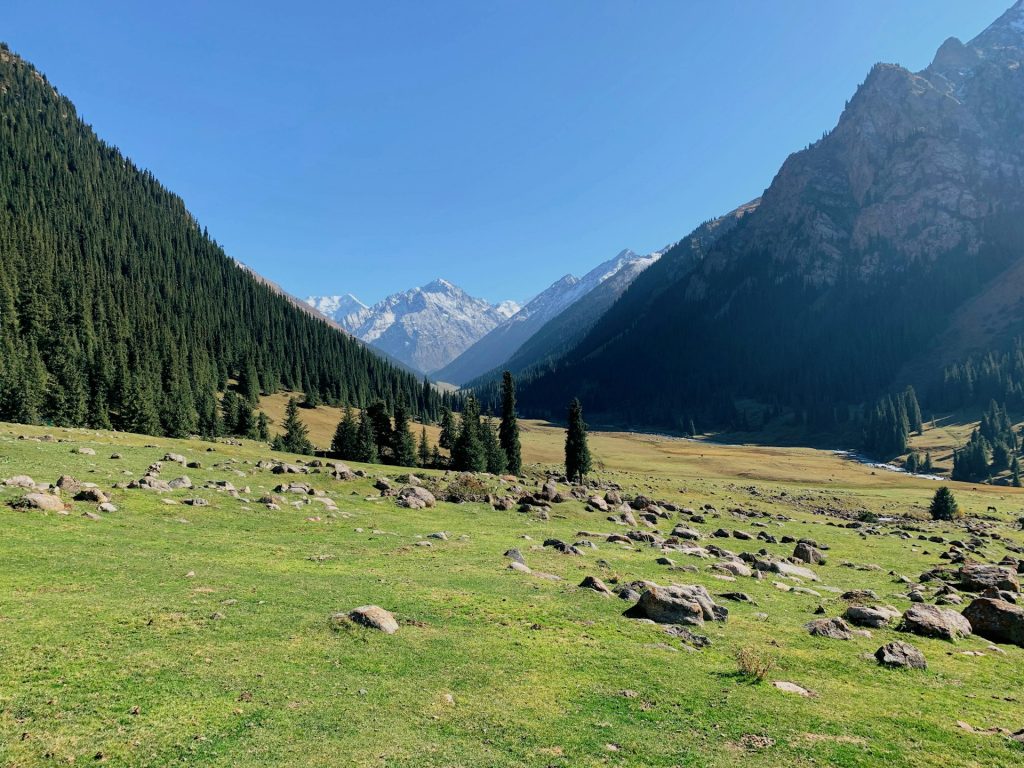
Autumn: September to October
Early autumn can be an excellent time to visit.
Temperatures become cooler, the summer crowds decrease and landscapes can take on golden autumn colours.
However, conditions change rapidly at higher elevations, and some seasonal services begin closing.
Winter: December to February
Winter transforms Kyrgyzstan into a completely different destination.
Snow covers the mountains, and skiing becomes one of the main attractions.
Karakol and Jyrgalan are particularly relevant for winter travellers.
Many high-altitude summer destinations, however, become inaccessible or impractical during the winter months.
Spring: March to May
Spring is a transitional season.
Snow begins melting in the mountains while valleys become increasingly green.
Lower-elevation destinations can be rewarding during this period, but many high mountain routes remain inaccessible.
Spring can therefore be a good choice for travellers interested in culture, lower-elevation landscapes and flowers rather than high-altitude trekking.
For a detailed month-by-month breakdown, see our best time to visit Kyrgyzstan guide.
How long do you need in Kyrgyzstan?
The ideal length of a trip depends on how much of the country you want to explore.
5-7 days
A week allows you to experience a relatively small part of Kyrgyzstan.
A realistic itinerary might focus on Bishkek, Ala-Archa and Issyk-Kul, or Bishkek, Karakol and the surrounding mountains.
Trying to see the entire country in one week will involve a lot of time on the road.
10-14 days
Two weeks gives you considerably more flexibility.
You can combine Bishkek, Issyk-Kul and Karakol with a mountain excursion, yurt stay or trek.
This is a good length for a first trip.
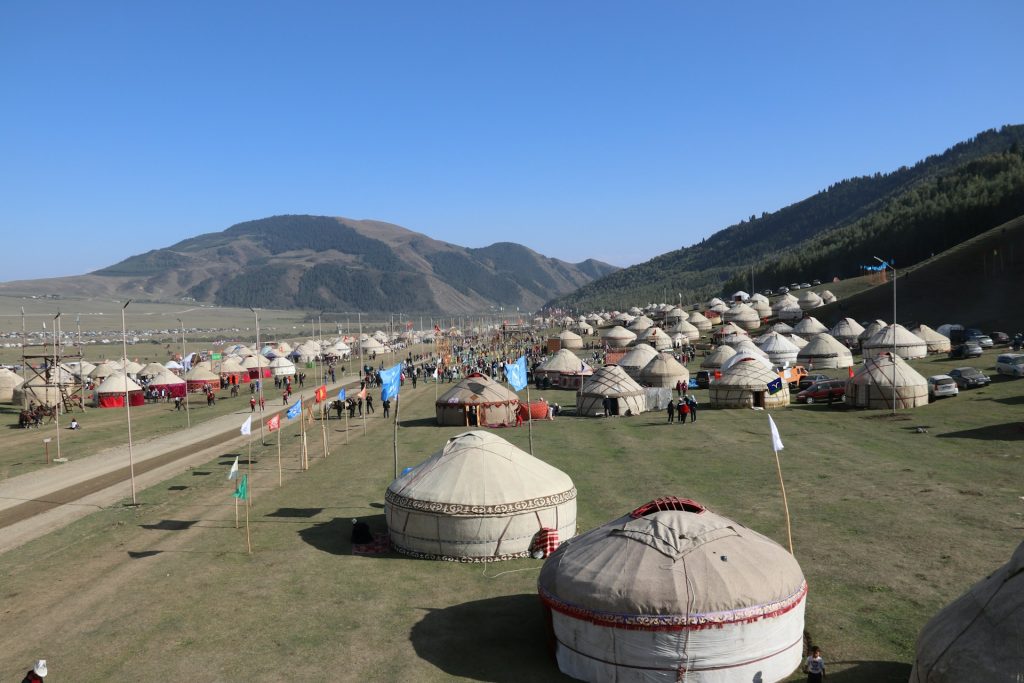
3 weeks or more
Three weeks allows you to travel much deeper into the country.
You can combine northern Kyrgyzstan with destinations such as Naryn, Song-Kul and Tash Rabat, or venture south towards Osh and the Alay region.
Longer trips also make it easier to include multi-day treks and slower travel through rural areas.
Explore more: Kyrgyzstan itineraries.
Getting around Kyrgyzstan
Getting around Kyrgyzstan is part of the adventure.
The country’s geography means that journeys that look short on a map can take considerably longer than expected.
Common ways of travelling include:
Marshrutkas
Shared minibuses are an important form of public transportation.
They are generally inexpensive and connect many towns and cities.
Taxis and shared taxis
Shared taxis are widely used for longer journeys where a direct marshrutka connection may not be available.
Private drivers
Hiring a driver can be particularly useful for reaching remote destinations or combining several attractions into a single journey.
Rental cars
Independent road trips are possible, but travellers should be realistic about road conditions, mountain terrain and the limitations of ordinary rental vehicles.
Some remote routes require high-clearance or four-wheel-drive vehicles.
Horses
In some mountain regions, horses are not simply an attraction but a practical way of reaching places inaccessible to ordinary vehicles.
Explore more: Getting around Kyrgyzstan.
Explore more: Driving in Kyrgyzstan.
Explore more: Kyrgyzstan transport guide.
Is Kyrgyzstan expensive?
Kyrgyzstan is generally considered a relatively affordable destination by international standards, particularly outside the most tourist-oriented services.
Your daily budget will depend heavily on how you travel.
Travelling independently using public transport and local accommodation can be relatively inexpensive.
Private drivers, organised trekking, domestic flights, specialist guides and higher-end hotels will increase the cost considerably.
Accommodation ranges from hostels and simple guesthouses to hotels, mountain lodges and yurt camps.
Food can also be very affordable, particularly when eating local dishes.
For a more useful breakdown, see our Kyrgyzstan travel costs and budget guide.
Where should you stay?
Accommodation in Kyrgyzstan ranges from modern hotels in Bishkek to extremely basic homestays in remote mountain villages.
Common accommodation types include:
- Hotels
- Hostels
- Guesthouses
- Homestays
- Yurt camps
- Mountain huts and trekking camps
- Resorts around Issyk-Kul
- Campsites
Your choice of accommodation can significantly affect the experience.
A hotel in Bishkek is very different from a family-run guesthouse in a mountain village, while spending a night in a yurt provides an experience that conventional accommodation cannot replicate.
Explore more: Where to stay in Kyrgyzstan.
Kyrgyzstan’s nomadic culture
Kyrgyzstan’s cultural identity is strongly connected to its nomadic past.
For centuries, communities moved livestock between seasonal pastures, making use of the country’s enormous mountain landscapes.
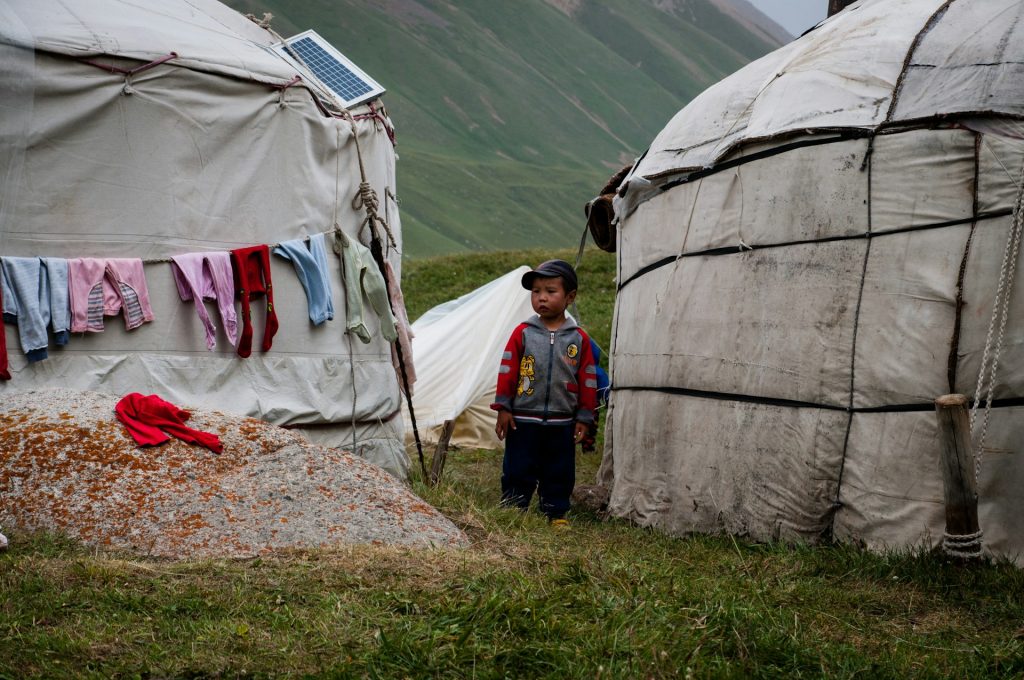
This tradition remains visible today, particularly during the summer months when livestock and families move towards high-altitude pastures known as jailoo.
Horses, yurts, felt handicrafts, traditional games and hospitality remain important parts of Kyrgyz culture.
Travellers should approach these traditions as living culture rather than simply as tourist attractions.
Staying with local families, visiting rural communities and spending time in mountain regions can provide a much deeper understanding of Kyrgyzstan than simply visiting its major sights.
What language is spoken in Kyrgyzstan?
The two principal official languages are Kyrgyz and Russian.
Kyrgyz is a Turkic language and is the country’s national language.
Russian remains widely used, particularly in cities and in many practical situations involving travel.
English is less widely spoken outside the tourism industry, particularly in rural areas.
Learning a few basic words in Russian or Kyrgyz can therefore be extremely useful.
Even simple greetings and expressions of thanks can make interactions easier and more enjoyable.
Is Kyrgyzstan safe for tourists?
Kyrgyzstan is generally considered a manageable destination for independent travellers, but travelling in a mountainous developing country requires preparation.
The biggest risks for many visitors are not conventional crime but the practical challenges associated with mountains, roads, weather and remoteness.
If you are trekking, pay particular attention to:
- Altitude
- Rapid weather changes
- Navigation
- River crossings
- Mountain roads
- Limited mobile coverage
- Distance from medical facilities
- Changes in trail conditions
Travel insurance should be appropriate for the activities you intend to undertake. Ordinary travel insurance does not necessarily cover trekking at every altitude or activities such as mountaineering.
For current information, travellers should also consult the official travel advice issued by their own government before departure.
Explore more: Is Kyrgyzstan safe?
Explore more: Kyrgyzstan travel safety guide.
Altitude in Kyrgyzstan
Altitude is an important consideration when travelling in Kyrgyzstan.
Many of the country’s most famous destinations are considerably higher than travellers may initially expect.
For example, Song-Kul sits at around 3,000 metres above sea level, while many trekking routes climb considerably higher.
Altitude sickness can affect otherwise healthy travellers.
The best approach is to ascend gradually where possible, stay hydrated, avoid excessive exertion immediately after reaching high elevations and know the symptoms of altitude illness.
If symptoms become severe or worsen, descending is the most important intervention.
Travellers planning serious trekking or mountaineering should understand altitude risks before leaving home.
What should you pack for Kyrgyzstan?
Packing depends heavily on the season and itinerary.
A summer holiday centred around Bishkek and Issyk-Kul requires very different equipment from a high-altitude trek.
For a typical mountain-focused trip, consider bringing:
- Comfortable hiking shoes or boots
- Warm layers
- Waterproof outerwear
- Sun protection
- Sunglasses
- Hat
- Reusable water bottle
- Personal medication
- Basic first-aid supplies
- Headlamp
- Power bank
- Offline maps
- Insect protection
- Cash in appropriate amounts
- Appropriate trekking equipment for your route
Do not underestimate the cold at altitude, even during summer.
A warm, sunny day in Bishkek does not mean that the same conditions will exist at 3,000 or 4,000 metres.
Explore more: Kyrgyzstan packing list.
Kyrgyzstan travel essentials
Before travelling, there are several practical matters worth checking.
Visa requirements
Visa requirements depend on your nationality and can change.
Some nationalities can enter Kyrgyzstan without a visa for specified periods, while others may need a visa or electronic visa.
Always check the current requirements for your passport before booking or travelling.
Explore more: Kyrgyzstan visa requirements.
Currency
The currency is the Kyrgyzstani som (KGS).
Cards are increasingly useful in larger cities and tourist establishments, but cash remains important, particularly when travelling outside the major urban centres.
It is sensible to carry some local currency when travelling into remote areas.
Internet and mobile coverage
Mobile coverage is generally strongest in populated areas and along major roads.
Remote mountain valleys can have little or no coverage.
If you are hiking independently, download maps and important information before leaving areas with reliable internet access.
Electricity
Kyrgyzstan uses European-style electrical systems, although travellers should check whether their own devices require an adapter.
Time zone
Kyrgyzstan uses a single time zone throughout the country.
Responsible travel in Kyrgyzstan
The growth of tourism brings opportunities to local communities, but it also creates responsibilities.
Kyrgyzstan’s mountain ecosystems can be fragile, particularly around popular trekking routes and lakes.
Travellers can help by:
- Carrying rubbish out of remote areas
- Avoiding unnecessary single-use plastic
- Staying on established trails where appropriate
- Respecting wildlife
- Following local regulations
- Treating water sources responsibly
- Supporting locally owned accommodation and businesses
- Respecting private land and livestock
- Asking before photographing people
- Learning about local customs
Supporting local guesthouses, guides, drivers, horse owners and small businesses can help ensure that tourism benefits communities outside the country’s major cities.
The best time for trekking in Kyrgyzstan
For most high-altitude trekking, June through September is the core season.
However, conditions vary considerably depending on elevation and route.
June can bring lingering snow on high passes but offers lush landscapes and long days.
July and August generally provide the most reliable access to high mountain routes, but they are also the busiest period.
September can offer excellent trekking conditions at lower and moderate elevations, along with fewer visitors and autumn colours.
High-altitude conditions can change rapidly at any time of year, so trekking plans should always account for weather and current trail conditions.
Explore more: Best hikes in Kyrgyzstan.
Explore more: Best multi-day treks in Kyrgyzstan.
Explore more: Kyrgyzstan trekking season.
A sample two-week Kyrgyzstan itinerary
If you are visiting Kyrgyzstan for the first time and have around two weeks, a northern-focused itinerary can provide an excellent introduction.
Days 1-2: Bishkek
Explore the capital, visit its markets and parks, and adjust to the altitude and climate.
Day 3: Ala-Archa
Take a day trip into Ala-Archa National Park for your first experience of the Tian Shan.
Days 4-5: Issyk-Kul
Travel towards Lake Issyk-Kul and spend time exploring the northern shore.
Days 6-8: Karakol
Use Karakol as a base for exploring the surrounding mountains.
Depending on your fitness and interests, this could include a day hike or the beginning of a multi-day trek.
Days 9-10: Mountain or cultural experience
Add a horse trek, mountain excursion or visit to a local community.
Days 11-12: Song-Kul
Travel towards Song-Kul and spend at least one night in a yurt camp.
Day 13: Naryn
Continue towards Naryn and explore the surrounding region.
Day 14: Return to Bishkek
Return to Bishkek for your departure.
This is only one possible route. Kyrgyzstan rewards slower travel, and travellers with three weeks or more can explore much further.
Explore more: Our complete two-week Kyrgyzstan itinerary.
Kyrgyzstan beyond the classic itinerary
The destinations above are among the easiest places for first-time visitors to include, but they represent only a fraction of what the country offers.
Travellers with more time can explore southern Kyrgyzstan, including Osh and the Alay Valley.
Other destinations worth investigating include:
- Arslanbob
- Sary-Chelek
- Kel-Suu
- Batken
- The Alay Valley
- Karavshin
- Chatyr-Kul
- Tash Rabat
- The Fergana Valley
- Remote mountain villages
The farther you travel from the country’s main tourist routes, the more important good preparation becomes.
Transport becomes less predictable, accommodation options become more limited and reliable information can be harder to find.
That is also precisely what makes these areas so rewarding.
Kyrgyzstan travel guides from Kyrgyzstan Explorer
Kyrgyzstan is a country where the practical details matter.
Knowing where to go is only the first step. Understanding how to get there, when to visit, what to pack and how long to stay can make the difference between a frustrating trip and an exceptional one.
That is why Kyrgyzstan Explorer is organised around practical, destination-specific guides.
Plan your trip
- Kyrgyzstan travel planning guide.
- Best time to visit Kyrgyzstan.
- How much does Kyrgyzstan cost?
- Kyrgyzstan visa guide.
- Kyrgyzstan travel insurance.
- Kyrgyzstan packing list.
- Is Kyrgyzstan safe?.
Destinations
- Bishkek travel guide.
- Karakol travel guide.
- Osh travel guide.
- Issyk-Kul travel guide.
- Naryn travel guide.
- Song-Kul travel guide.
- Jyrgalan travel guide.
- Ala-Archa National Park guide.
- Tash Rabat travel guide.
- Arslanbob travel guide.
Nature and adventure
- Trekking in Kyrgyzstan.
- Best hikes in Kyrgyzstan.
- Horse riding in Kyrgyzstan.
- Best lakes in Kyrgyzstan.
- Kyrgyzstan national parks.
- Skiing in Kyrgyzstan.
- Kyrgyzstan mountain guide.
Getting around
- Getting around Kyrgyzstan.
- Driving in Kyrgyzstan.
- Kyrgyzstan road trip guide.
- Public transport in Kyrgyzstan.
- How to travel from Bishkek to Karakol.
- How to travel from Bishkek to Issyk-Kul.
Culture and food
- Kyrgyzstan food guide
- Traditional Kyrgyz food
- Kyrgyz culture and customs
- Kyrgyz nomadic culture
- Yurt stays in Kyrgyzstan
- Kyrgyz festivals and traditions
Itineraries
- 7-day Kyrgyzstan itinerary
- 10-day Kyrgyzstan itinerary
- 2-week Kyrgyzstan itinerary
- 3-week Kyrgyzstan itinerary
- Kyrgyzstan and Uzbekistan itinerary
- Central Asia travel itineraries
Why Kyrgyzstan Explorer?
There is no shortage of travel information on the internet, but information about Kyrgyzstan can still be surprisingly fragmented.
A destination guide might tell you what to see but not how to reach it. A trekking website might describe a route but provide little information about accommodation. A forum might contain an excellent recommendation that is several years old.
Kyrgyzstan Explorer exists to bring that information together.
Our goal is to create a practical, comprehensive and continuously improving resource for anyone planning a trip to Kyrgyzstan.
That means going beyond lists of tourist attractions.
We want to answer the questions travellers actually have:
How do I get there?
How much does it cost?
How difficult is the hike?
Where should I stay?
When should I go?
What should I bring?
Can I do this independently?
How much time do I need?
What should I know before I arrive?
Whether you are planning your first trip to Central Asia or returning to explore a part of Kyrgyzstan you missed the first time, we hope Kyrgyzstan Explorer can help you plan a better journey.
Start exploring Kyrgyzstan
Kyrgyzstan is not a destination that can be reduced to a handful of famous attractions.
Its appeal lies in the combination of mountains, lakes, horses, nomadic traditions, remote valleys, welcoming communities and the freedom to travel beyond the conventional tourist route.
You can hike through the Tian Shan, spend a night in a yurt beside Song-Kul, swim in Issyk-Kul, eat freshly prepared food in a family guesthouse, explore the markets of Osh and finish the day watching the mountains turn orange in the evening light.
And there is still much more to discover.
Start with our destination guides, find an itinerary that suits your trip, and then go deeper into the parts of Kyrgyzstan that interest you most.
Welcome to Kyrgyzstan Explorer.